
Interruptor on off de fibra
autor: lucas
2024-06-21
1. Understand the application requirements
Get a complete picture of your application scenario, whether it's communication networks, data centers, or test and measurement systems.
2. Determine performance metrics
Key performance metrics such as insertion loss, crosstalk, and wavelength compatibility are considered.
3. Choose the right type
Depending on the speed requirements and environmental conditions, choose the appropriate type -mechanical optical switch, MEMS optical switch or thermal optical switch.
4. Ensure reliability and durability
Evaluate the reliability and durability of the switch to ensure long-term stable operation.
5. Compatibility with existing infrastructure
Compatibility with existing fiber connectors and infrastructure is confirmed to ease integration.
6. Choose reputable suppliers
Choose reputable suppliers, known for quality products, with technical support and positive user feedback.
7. Perform actual testing and validation
Whenever possible, practical tests are carried out to verify the performance of a particular application.
8. Consider the total cost of ownership
Make informed investment decisions considering equipment costs, maintenance expenses, and performance benefits.
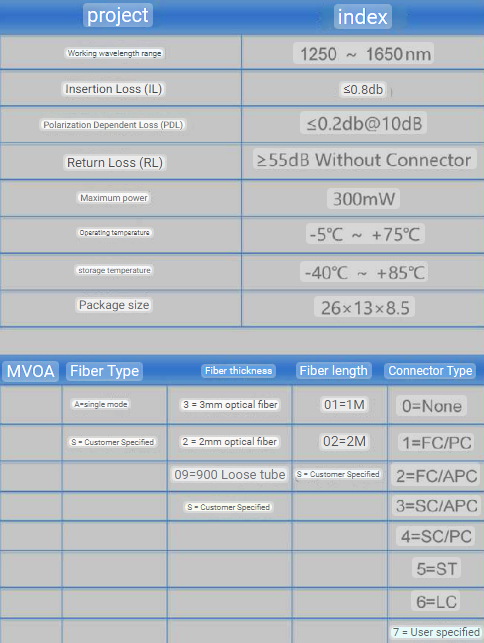
The specific selection of parameters can refer to the following parameters, if you have any questions, welcome to consult
Clasificación y aplicación de interruptores ópticos
¿Cuál es el principio del interruptor óptico?
Artículo relacionado

¿Su red óptica a menudo se atasca? ¡¡ puede ser que el interruptor óptico esté "cambiando falsamente"!
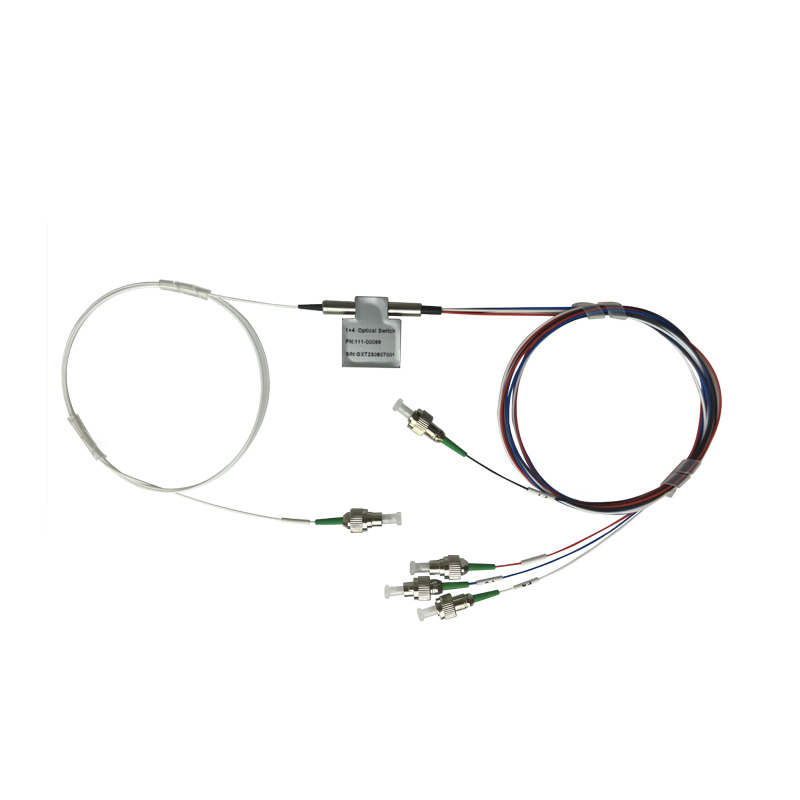
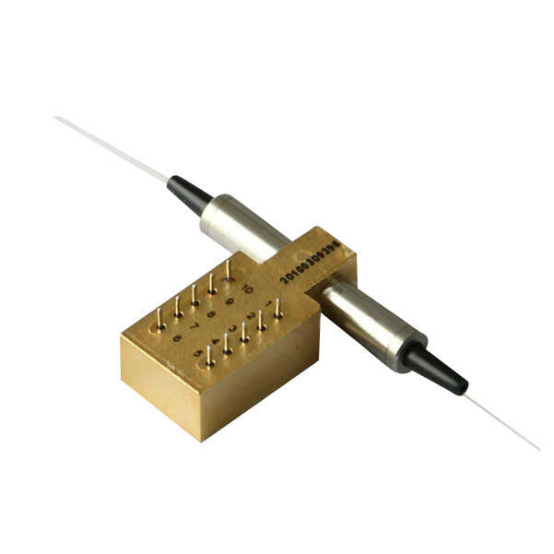
Con el rápido desarrollo de la tecnología de fibra óptica y la aplicación a gran escala de los sistemas de multiplexación de división de longitud de onda densa (DWDM), los interruptores ópticos se han convertido en un enlace clave en futuras interconexiones ópticas. Es un dispositivo con uno o más puertos de transmisión seleccionables que pueden realizar una conversión mutua o operaciones lógicas en señales ópticas en líneas de transmisión óptica.
Clasificación y aplicación de interruptores ópticos
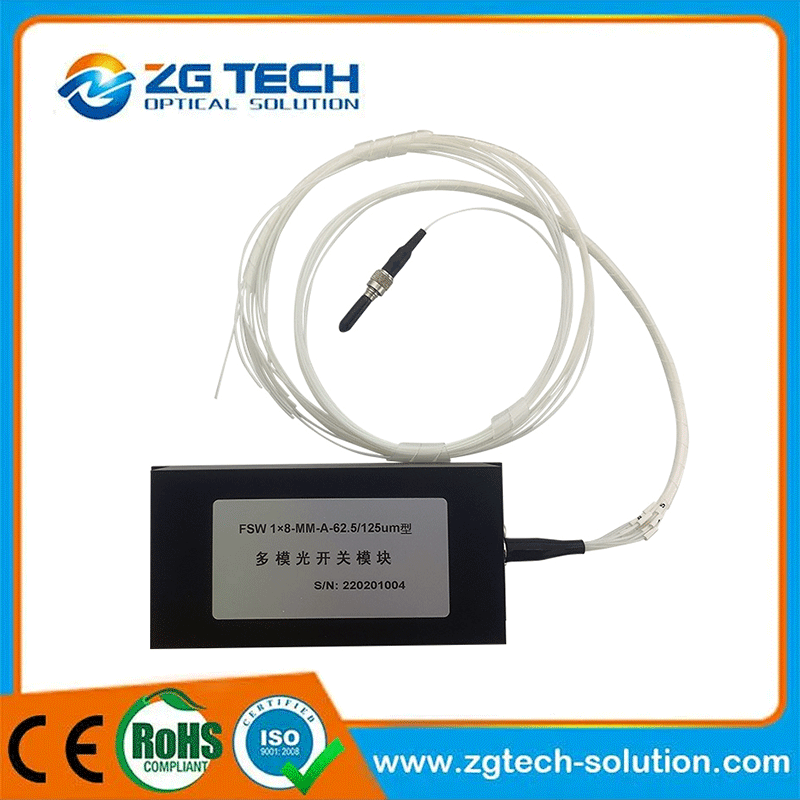
El conmutador óptico (OS) se utiliza principalmente para realizar conmutación física u otras operaciones lógicas de señales ópticas en rutas ópticas y, a menudo, se utiliza como componente clave de la conmutación de rutas ópticas en la tecnología óptica de conexión cruzada.
¿Cuál es el principio del interruptor óptico?