Fiber Optic Transceiver: Lightspeed Connection, Endless Possibilities!
We bring a revolutionary solution - fiber optic transceiver. This product uses advanced optical fiber technology to significantly improve network transmission speed and stability. Not only that, its compact design makes it easy to install and use, does not take up too much space, and can be easily adapted to either home or office.
What is even more surprising is that the fiber optic transceiver has strong compatibility and can be seamlessly connected with a variety of devices to meet your different needs. Moreover, its durability and safety have been strictly tested to ensure long-term stable operation and protect your data security.

What is an Optical Transceiver?
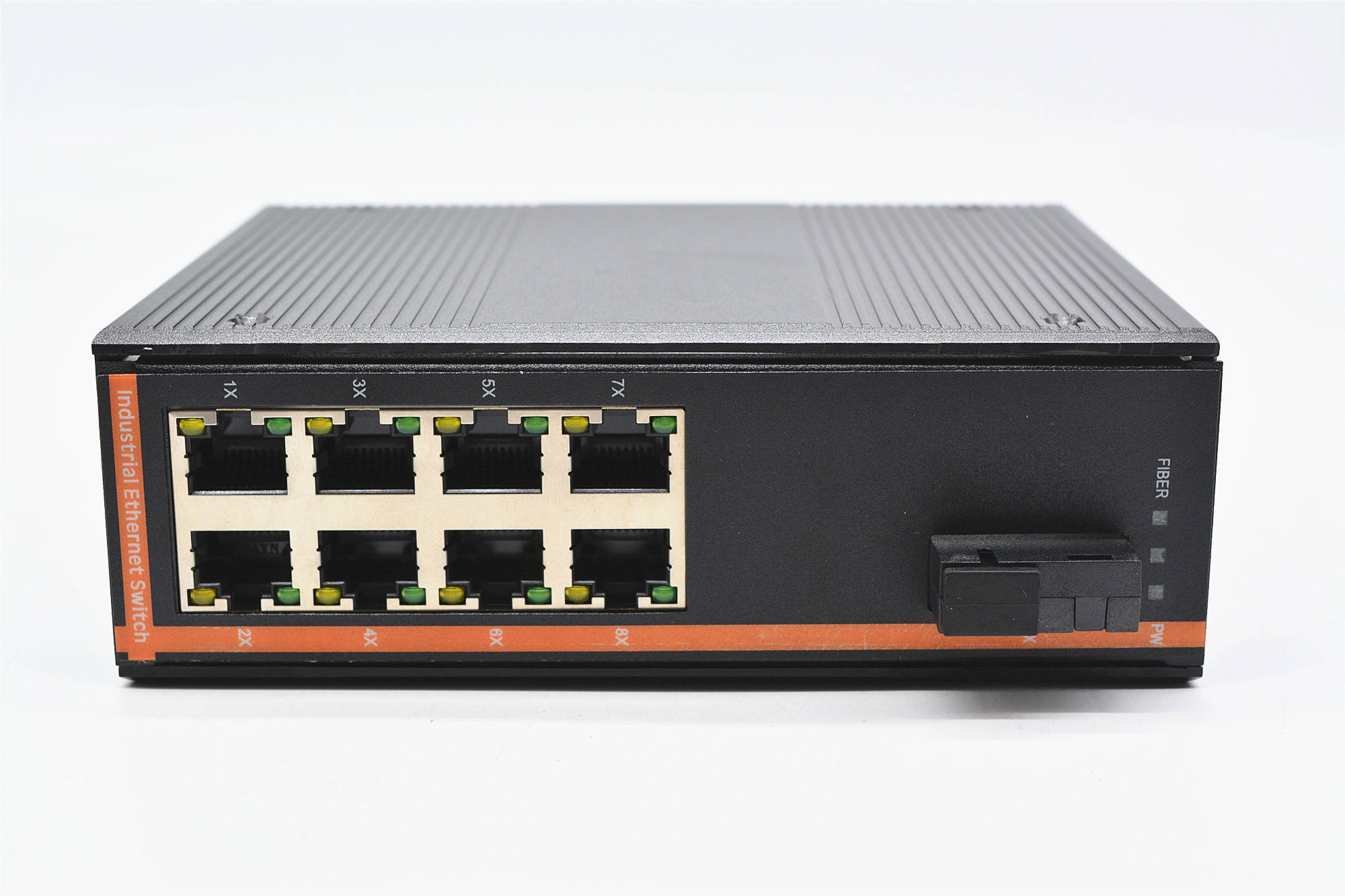
An optical transceiver, also known as a fiber optic transceiver or optical module, is a small packaged device that uses fiber optic technology to transmit and receive data.
‘Transceiver’ combines the words’ transmitter’ and ‘receiver’. In other words, the optical transceiver usually comprises an optical transmitter and an optical receiver that are combined and share common circuitry or a single housing.
The optical transceiver is an essential part of optical network equipment. It has electronic components to condition and encode/decode data into light pulses and then send them to the other end as electrical signals.

Fiber optic transceivers can be divided according to different classification standards, mainly including the following classification methods:
2.Gigabit fiber optic transceiver: The transmission rate is 1Gbps, which is widely used in high-speed transmission scenarios such as data centers, enterprise networks, and metropolitan area networks.
3.10G fiber optic transceiver: The transmission rate is 10Gbps, which is suitable for scenarios with extremely high requirements for transmission rate, such as high-performance computing, large data centers, etc.
2.Multimode fiber optic transceiver: Suitable for short-distance transmission, such as enterprise internal networks, internal connections in data centers, etc., with a transmission distance between 2 kilometers and 5 kilometers.
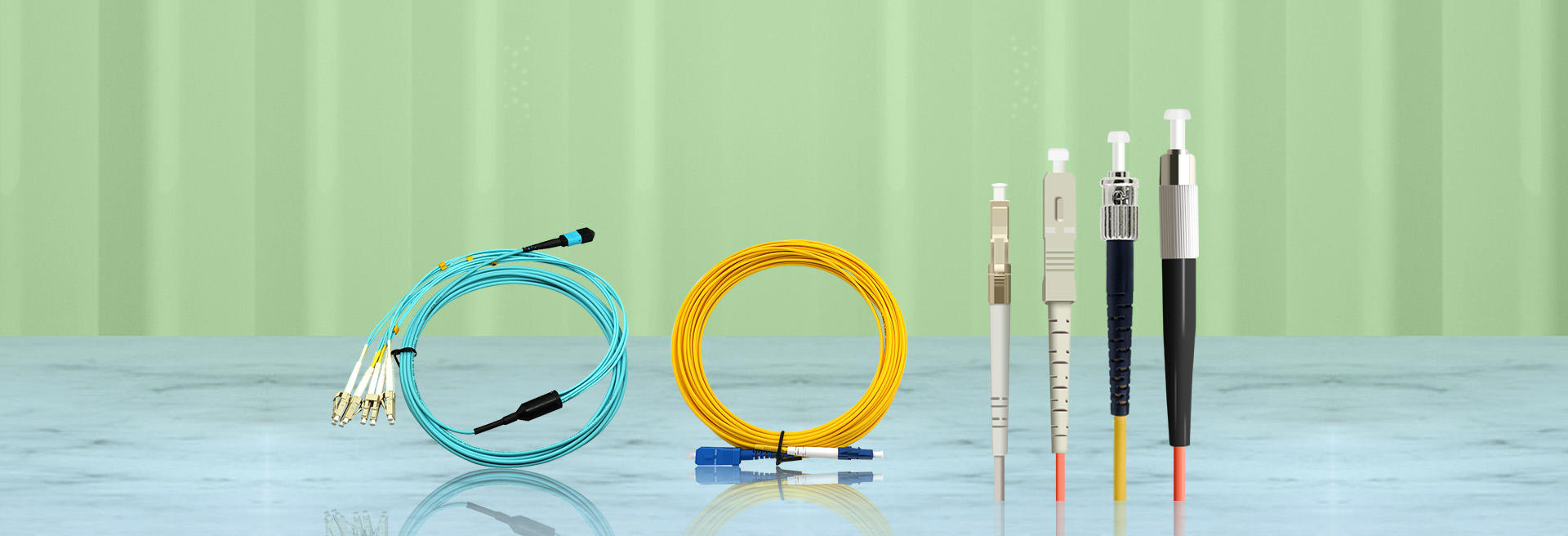
2.LC interface fiber optic transceiver: LC interface is smaller and suitable for high-density wiring environment.
3.ST interface fiber optic transceiver: early fiber optic connector, now less used.
4.MPO interface fiber optic transceiver: suitable for multi-core fiber connection, often used in high-density wiring system, such as data center.
Classification by working mode:
2.Half-duplex mode fiber optic transceiver: data can be transmitted in both directions, but not at the same time.
3.Full-duplex mode fiber optic transceiver: data can be transmitted in both directions at the same time, suitable for most network environments.
Classification by management method:
2.Managed fiber optic transceiver: supports remote monitoring and configuration, suitable for large networks or environments that require centralized management.
Classification by application field:
2.Commercial grade fiber optic transceiver: suitable for general enterprise networks, data centers and other environments.
Choosing a suitable fiber optic transceiver requires comprehensive consideration of factors such as actual network requirements, transmission distance, data rate, fiber type, and cost budget.
Voltage type adjustable optical Attenuator - Reflective type((MEMS VOA)
Collimator Manufacturing Process