Differences between Steel Pipe Couplers and FBT Couplers
author: Lucas
2024-12-06
Differences between Steel Pipe Couplers and FBT Couplers
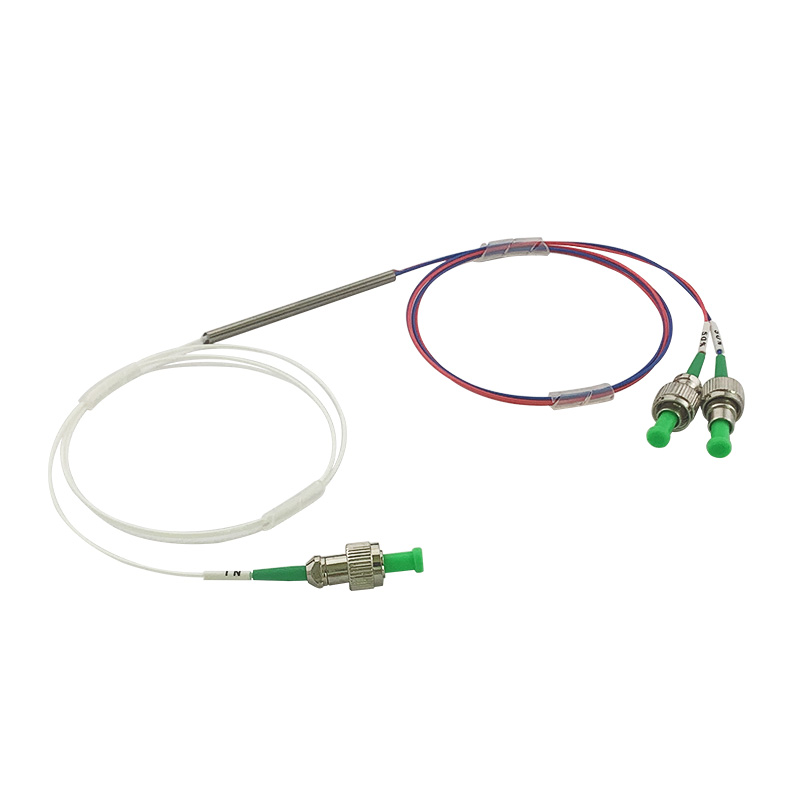
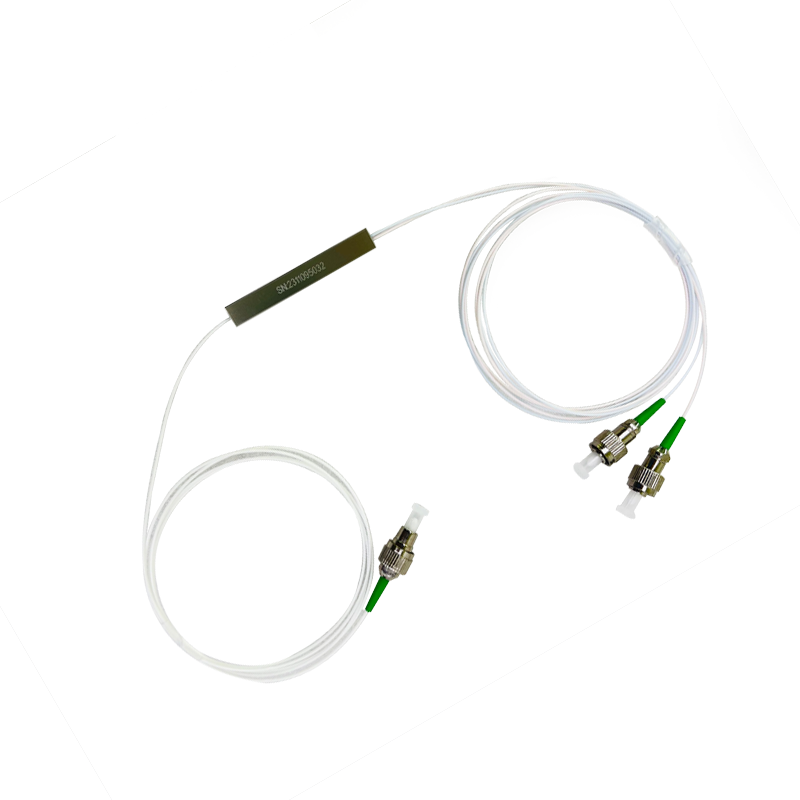
Couplers play a vital role in connecting different components or systems. Steel pipe couplers are mainly used in the field of metal pipe connections, while FBT couplers are essential in fiber optic communication systems. Despite both being called couplers, they have significant distinctions.
II. Material Differences
- Steel Pipe Couplers
- Typically made of steel or alloy steel. Steel offers high strength and durability, capable of withstanding significant mechanical stresses and pressures. It is suitable for applications where the connection needs to bear heavy loads or resist harsh environmental conditions, such as in industrial piping systems for transporting fluids or gases.
- FBT Couplers
- Composed mainly of optical fiber and related optical components. The optical fiber core is usually made of silica glass, which has excellent optical properties such as low attenuation and high light transmission efficiency. The outer protective layers and the structure of the splice tray are made of plastic or composite materials to protect the fragile optical fibers and ensure stable optical signal transmission.
III. Structural Differences
- Steel Pipe Couplers
- Have a simple yet robust mechanical structure. They usually consist of threaded ends or a clamping mechanism. Threaded steel pipe couplers allow for a tight connection by screwing the male and female threads together, ensuring a leak-proof seal. Clamping-type couplers use bolts or other fastening devices to hold the pipes firmly in place.
- FBT Couplers
- Have a more complex optical and mechanical structure. They contain fiber optic splice trays where the optical fibers are precisely aligned and spliced. The tray is designed to protect the spliced fibers and may have features like fiber retention clips, cable entry and exit ports, and sometimes built-in optical connectors. The overall structure is focused on maintaining the integrity of the optical signal path and minimizing signal loss.
IV. Functional Differences
- Steel Pipe Couplers
- Their primary function is to connect steel pipes mechanically, providing a continuous flow path for fluids or gases. They need to ensure a tight connection to prevent leakage and maintain the pressure integrity of the pipeline system. In some cases, they may also need to allow for a certain degree of flexibility or expansion/contraction of the pipes due to temperature changes.
- FBT Couplers
- The main function is to connect optical fibers in a fiber optic network. They enable the transmission of optical signals from one fiber to another with minimal loss. FBT couplers are crucial for maintaining the continuity and quality of the optical communication link, ensuring that the data encoded in the light signals can be accurately transmitted over long distances without significant degradation.
V. Application Scenarios
- Steel Pipe Couplers
- Widely used in industrial piping systems, such as in oil and gas pipelines, water supply and drainage systems, and steam piping in power plants. They are also used in construction for structural steel pipe connections and in mechanical engineering for various fluid transfer applications.
- FBT Couplers
- Found in fiber optic communication networks, including long-distance telecommunication lines, local area networks (LANs), cable television networks, and fiber optic sensor systems. They are essential for any application that requires high-speed and reliable optical signal transmission.
VI. Installation Methods
- Steel Pipe Couplers
- Installation usually involves threading the coupler onto the pipe ends and tightening with appropriate tools. For clamping-type couplers, the pipes are inserted into the coupler and then fastened using bolts or clamps. The installation process requires attention to proper alignment and torque to ensure a secure connection.
- FBT Couplers
- Installation is a more delicate process. The optical fibers need to be carefully stripped, cleaned, and precisely aligned in the splice tray. Fusion splicing or mechanical splicing techniques are used to connect the fibers, and then the splice is protected and secured within the tray. Specialized fiber optic tools and equipment are required for proper installation.
VII. Performance Characteristics
- Steel Pipe Couplers
- Performance is evaluated based on factors such as pressure resistance, leak tightness, and mechanical strength. A good steel pipe coupler should be able to withstand high pressures without leaking and maintain its structural integrity over a long period.
- FBT Couplers
- Key performance indicators include insertion loss (the amount of optical signal loss when passing through the coupler), return loss (the amount of reflected signal), and stability of the connection. Low insertion loss and high return loss are desired to ensure efficient and reliable optical signal transmission.
VIII. Conclusion
In conclusion, steel pipe couplers and FBT couplers are two very different types of coupling devices, each designed for specific applications and with distinct characteristics in terms of materials, structures, functions, installation, and performance. Understanding these differences is essential for engineers, technicians, and anyone involved in the relevant industries to make appropriate choices and ensure the proper functioning and efficiency of their systems.
Optical Couplers: The Silent Guardians of Signal Transmission
What is FBT coupler, do you know it ?
Related Article

How much do you know about couplers
Optical Couplers: The Silent Guardians of Signal Transmission