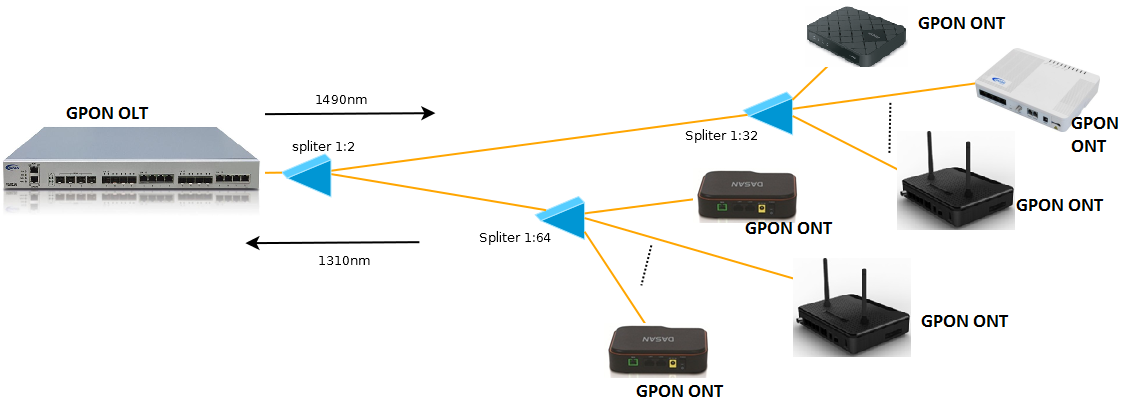
Revealing the differences between optical modems, switches and routers, do you know?
author: MM
2024-11-12
Optical modems and routers have different roles in home network settings, and they each play an important role. Optical modems are devices that fiber optic network users use to access fiber optic broadband. They convert fiber optic signals into electrical signals that can be recognized by computers, and serve as access points for fiber optic networks. Routers are used to connect multiple devices to achieve communication between devices, and can also manage and secure network traffic. Therefore, optical modems and routers are complementary devices in home networks.

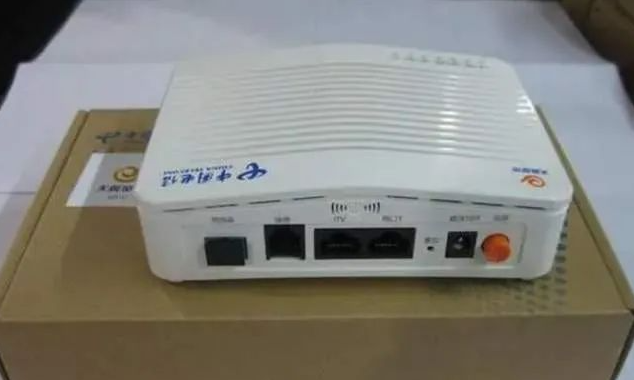
1. Optical Network Unit (ONU) is one of the devices in the fiber-optic access network (FTTH)
First of all, as the core device of the fiber-optic access network (FTTH), the optical modem undertakes the important task of converting optical fiber signals into digital signals. It is a device provided by the Internet Service Provider (ISP) to users, which converts high-speed optical signals into digital signals that can be recognized by computers. The optical modem not only provides an Ethernet port, but also supports wireless network connection, allowing your home or office network to be unimpeded.
First of all, as the core device of the fiber-optic access network (FTTH), the optical modem undertakes the important task of converting optical fiber signals into digital signals. It is a device provided by the Internet Service Provider (ISP) to users, which converts high-speed optical signals into digital signals that can be recognized by computers. The optical modem not only provides an Ethernet port, but also supports wireless network connection, allowing your home or office network to be unimpeded.
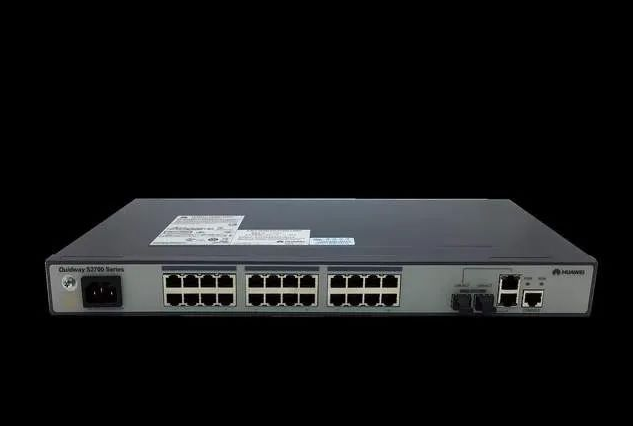
2. Switch is a device in the local area network (LAN)
Next, let's take a look at the switch. The switch is a key device in the local area network (LAN), playing the role of connecting multiple computers and other network devices. By identifying the MAC address of the device, the switch can intelligently send data packets only to the target device, greatly improving network performance and transmission efficiency. Imagine that there are multiple devices in your home network, and the switch can efficiently send data directly to the target device, making your network experience smoother
Next, let's take a look at the switch. The switch is a key device in the local area network (LAN), playing the role of connecting multiple computers and other network devices. By identifying the MAC address of the device, the switch can intelligently send data packets only to the target device, greatly improving network performance and transmission efficiency. Imagine that there are multiple devices in your home network, and the switch can efficiently send data directly to the target device, making your network experience smoother
3. A router is a device that transmits data between a wide area network (WAN) and a local area network
Finally, let's learn about routers. A router is a key device for transmitting data between a wide area network (WAN) and a local area network. It undertakes the important task of forwarding data packets from the source network to the destination network. By using routing tables and routing protocols, routers are able to intelligently select the best data transmission path. In addition, routers can also perform functions such as network address translation (NAT) to facilitate multiple devices sharing a single public IP address. Whether it is connecting a home LAN to the Internet or connecting an office network to an external network, a router is indispensable.
Finally, let's learn about routers. A router is a key device for transmitting data between a wide area network (WAN) and a local area network. It undertakes the important task of forwarding data packets from the source network to the destination network. By using routing tables and routing protocols, routers are able to intelligently select the best data transmission path. In addition, routers can also perform functions such as network address translation (NAT) to facilitate multiple devices sharing a single public IP address. Whether it is connecting a home LAN to the Internet or connecting an office network to an external network, a router is indispensable.

In summary, optical modems, switches, and routers play different roles in the network. Together, they build an efficient and stable network infrastructure, providing solid support for our daily Internet experience. I hope that through this article, you have a clearer understanding of their differences. Let us travel freely in the digital world and enjoy unlimited network fun!


If you still have any questions about the router and switches, please visit our website www.optical-solution.com and use the john@optical-solution.com contact us.
Fiber to the Home (FTTH) and Ethernet Passive Optical Network (EPON): The Core Technologies Leading Future Network Access
The Significance of 800G Optical Modules as a Turning Point in the Development of AI Technology
Related Article
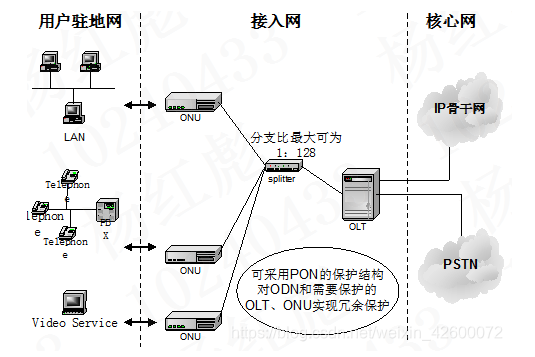
This article mainly elaborates on the growth of data services, the evolution of access network technologies, and focuses on introducing the characteristics, architectures, and key technologies of EPON and WDM - PON in the context of the booming development of various Internet applications and the resulting demand for high - speed and stable network access, highlighting their importance and potential in future network access.
Fiber to the Home (FTTH) and Ethernet Passive Optical Network (EPON): The Core Technologies Leading Future Network Access

With the emergence of AI applications and large models, computing power has become a critical infrastructure of the AI industry, creating an unprecedented demand for high-speed data transmission. As this demand for faster communication increases, high-speed optical modules have become a vital component of AI servers. In this article, we explore the evolution of 800G optical modules and their enormous potential in the era of artificial intelligence.
The Significance of 800G Optical Modules as a Turning Point in the Development of AI Technology