What is a fiber optic loopback?
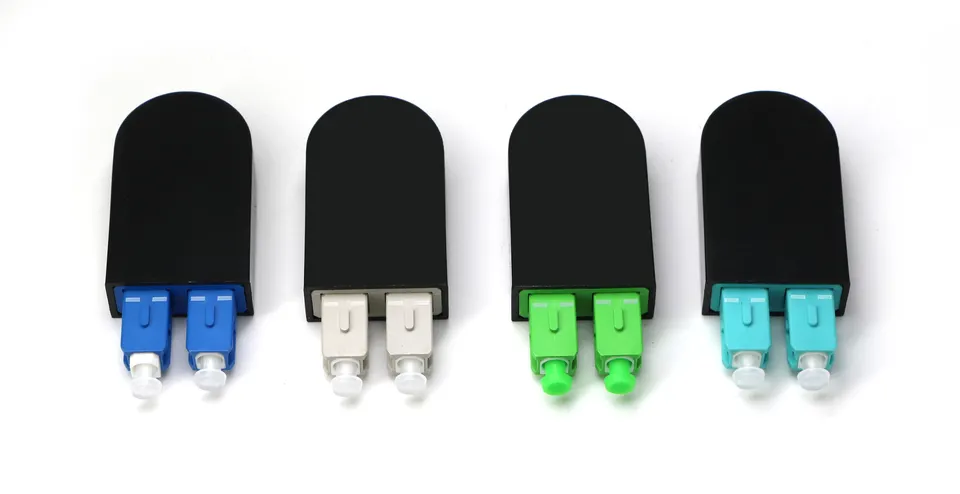
Definition of fiber optic loopback
Fiber optic loopback unit, also known as fiber optic loopback unit, fiber optic loopback module, etc., is a specially designed optical component. The core principle is to directly guide the optical signal emitted by the transmitting end (TX) of the device to the receiving end (RX) of the same device, forming a closed signal loop. Simply put, it's like building a "signal highway" inside the device, allowing optical signals to complete a complete transmission test without going through external links. This "self closing loop" design allows engineers to independently test the light emission and reception functions of devices without relying on external devices or complex links.
Fiber optic loopback type
There are many types of fiber optic loopbacks, which can be classified into various types according to different classification standards. The following are some common classification methods and corresponding products:
Single mode fiber optic loopback: suitable for long-distance, high-speed fiber optic transmission systems, such as cross city optical cables, submarine optical cables, etc. It uses single-mode fiber, which can transmit single-mode optical signals, effectively reduce signal attenuation and dispersion, and ensure the stability of long-distance transmission. For example, single-mode LC/APC fiber optic loopbacks, with their compact LC connectors and APC end face design, can provide low insertion loss and high return loss, and are widely used in telecommunications testing and fiber optic laboratories.
Multi mode fiber optic loopback: mainly used for short distance fiber optic transmission scenarios, such as internal LAN of enterprises, internal connections of data centers, etc. Multimode optical fibers can simultaneously transmit multiple modes of optical signals at a relatively low cost. Like the multi-mode OM4 MPO fiber optic loopback, it supports loopback testing of 12 core fibers and is suitable for high-density fiber management and parallel optical applications.
Fiber optic loopback function
Fiber optic loopbacks play a crucial role in network testing, diagnosis, and troubleshooting, with the following main functions:
Equipment function self-test: By connecting the fiber optic loopback to the optical interface of the equipment, engineers can quickly detect whether the light emitting and receiving modules of the equipment are working properly. If the device is able to send and receive loopback signals normally, it indicates that the optical module of the device is functioning properly; On the contrary, there may be optical module failures or configuration issues.
Link quality assessment: After the fiber optic link is laid, a fiber optic loopback can be used to evaluate the quality of the link. By detecting parameters such as the strength, loss, and bit error rate of the loopback signal, engineers can determine whether there are problems with poor connections, excessive fiber bending, connector contamination, etc. in the link, and promptly repair and optimize them.
Network performance testing: During network upgrades or expansions, fiber optic loopbacks can be used to test network performance indicators such as bandwidth, latency, and jitter. By simulating actual data transmission scenarios, engineers can evaluate the network's carrying capacity and stability, providing a basis for network optimization and adjustment.
Fault location and isolation: When a network failure occurs, fiber optic loopbacks can help engineers quickly locate the fault point. By using loopbacks on different nodes for testing, engineers can gradually narrow down the scope of the fault, ultimately determine the specific location of the fault, and take corresponding measures for repair.
Advantages and disadvantages of fiber optic loopbacks
Advantage
Easy to operate: The use of fiber optic loopbacks is very simple, simply connect it to the optical interface of the device for testing, without the need for complex configuration and debugging. Even beginners can quickly get started, greatly improving testing efficiency.
Low cost: Compared to other professional network testing equipment, fiber optic loopbacks have a relatively low price and high cost-effectiveness. For some budget limited enterprises and institutions, it is a very practical testing tool.
Quick feedback: By using fiber optic loopbacks for testing, real-time test results can be obtained, allowing engineers to quickly understand the condition of equipment and links, take timely measures to solve problems, and reduce the impact of network failures on business.
Highly versatile: Fiber optic loopbacks support multiple types of fibers and connectors, and can be widely applied in different network scenarios such as telecommunications, data centers, enterprise networks, etc. Whether it is single-mode or multi-mode fiber, LC, SC or MPO connectors, corresponding loopbacks can be found for testing.
Disadvantage
Limited testing capabilities: Fiber optic loopbacks mainly focus on basic functional testing of equipment and links, with limited testing capabilities for some complex network protocols and high-level applications. When conducting comprehensive network testing, it may be necessary to combine other professional testing tools.
How to use a fiber optic loopback
Choose the appropriate loopback: Based on the characteristics of the testing equipment and link, select the fiber optic loopback that matches it. For example, if the device uses a single-mode fiber optic interface with LC connectors, a single-mode LC fiber optic loopback should be selected.
Verify port type: Confirm the type and location of the optical interface on the device to ensure that the loopback can be connected correctly. Different types of devices may have different optical interface layouts and labels, and it is necessary to carefully review the device's manual or related documents.
Insert the fiber optic loopback: Carefully insert the fiber optic loopback into the optical interface of the device, ensuring a secure connection. During the insertion process, it is important to avoid excessive force to prevent damage to the connector or device interface.
Running testing tools: Network testing software or commands can be used to send test signals and monitor the reception of loopback signals. For example, using an optical power meter can measure the strength of the loopback signal, and using a bit error meter can detect the bit error rate of the signal.
Evaluate test results: Based on the results displayed by the testing tool, determine the condition of the equipment and links. If the test results are normal, it indicates that the equipment and link are working well; If there is a problem, further investigation and repair should be carried out based on specific error information.
Disconnect the loopback: After the test is completed, carefully unplug the fiber optic loopback from the device's optical interface to avoid damaging the connector.
ZG Tech Fiber Optic Loopback
As a leading supplier specializing in fiber optic solutions, ZG Tech provides a wide range of fiber optic loopback products to its customers. Our products cover single-mode and multi-mode optical fibers, various types of connectors, and can meet the testing needs of different users.
ZG Tech fiber optic loopbacks are widely used in telecommunications testing, fiber optic laboratories, FTTX testing, data center infrastructure, high-density fiber management, and other fields, providing efficient and reliable testing solutions for network operators and engineers.
Conclusion
Fiber optic loopbacks, as an important tool for network troubleshooting, have become a reliable assistant for network engineers due to their advantages of easy operation, low cost, and fast feedback. Although it has certain limitations, it plays an irreplaceable role in basic equipment and link testing. ZG Tech, with its high-quality products and professional services, provides users with high-quality fiber optic loopback solutions. Whether you are a network operator, data center administrator, or enterprise network engineer, choosing ZG Tech fiber optic loopbacks will bring great convenience and protection to your network testing and troubleshooting work. Let's use the fiber optic loopback as a "precise probe" to unlock a new posture for efficient fault diagnosis and jointly build a stable and reliable network world!
References: //en.wikipedia.org/wiki/Loopback
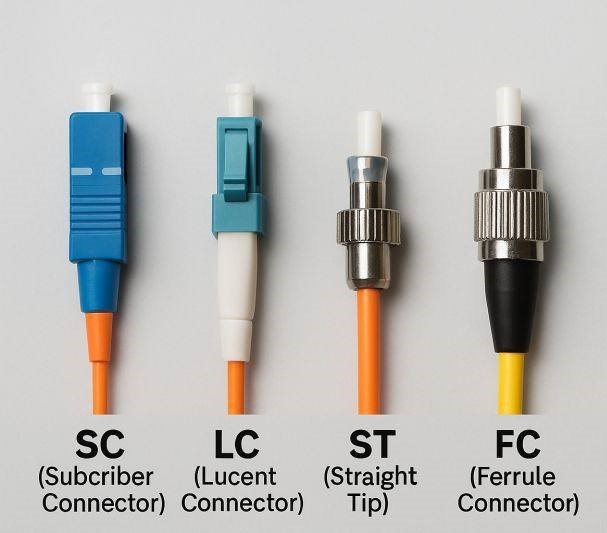
What are SC, LC, ST, FC fiber optic connectors?
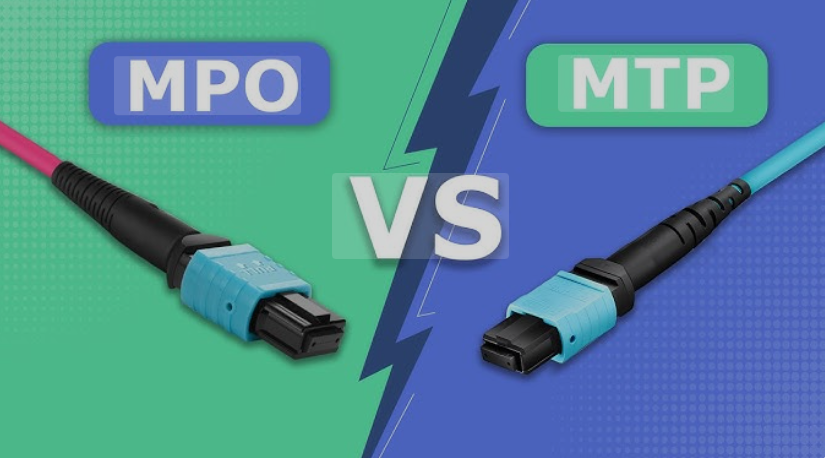
MTP vs MPO:What Are the Differences?